India’s Logistics Transformation: Why the Next Advantage May Come From Multimodal Transportation Freight Corridors
India is moving from mode-by-mode logistics toward connected freight networks. The next advantage may come from integrating road, rail, ports, terminals, waterways and digital coordination.
India's logistics transformation is often described through individual infrastructure projects: roads, railways, ports, freight corridors, logistics parks and digital platforms. But the strategic question is larger than any single asset.
The next advantage may come from how effectively these assets work together.
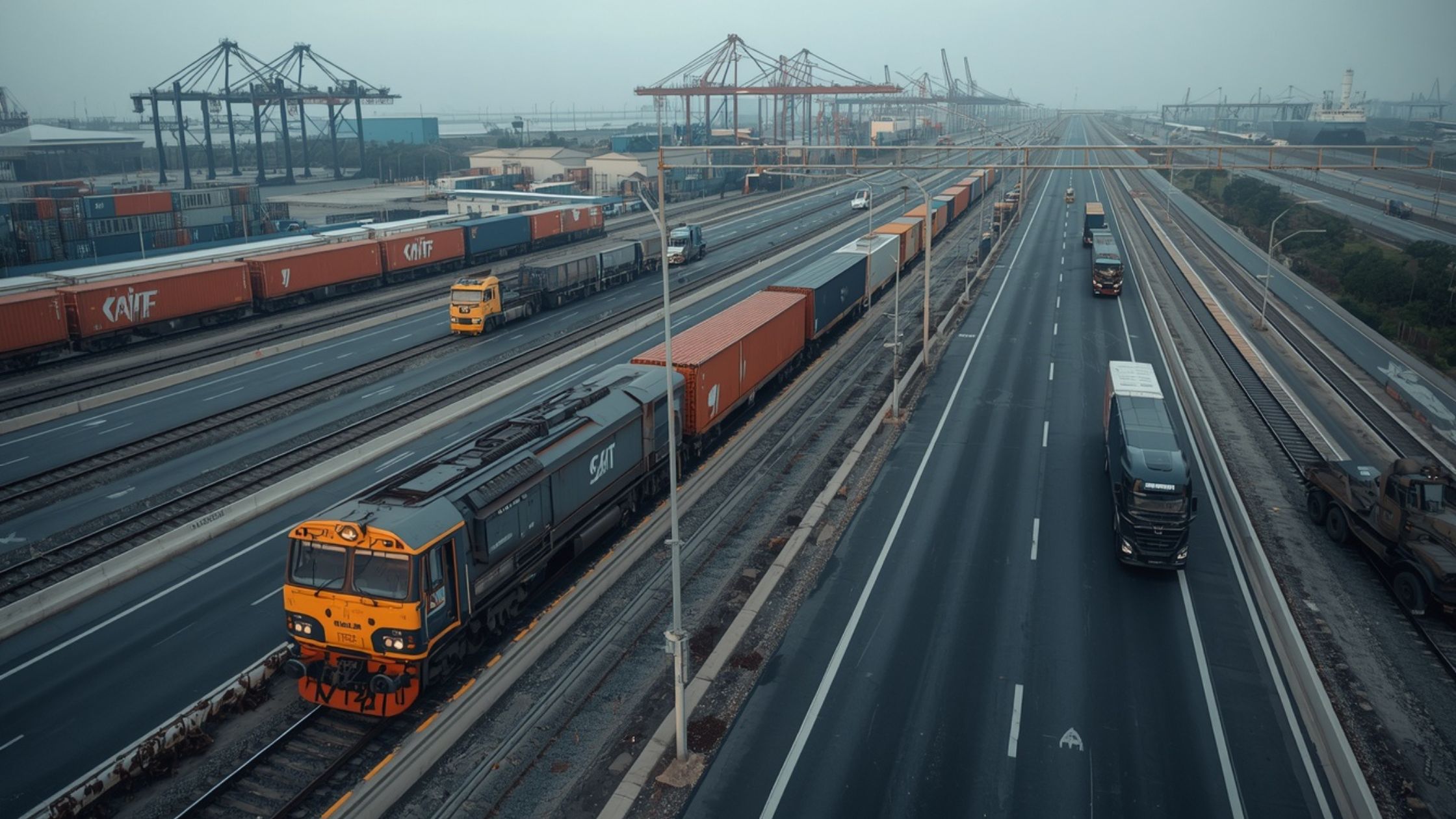
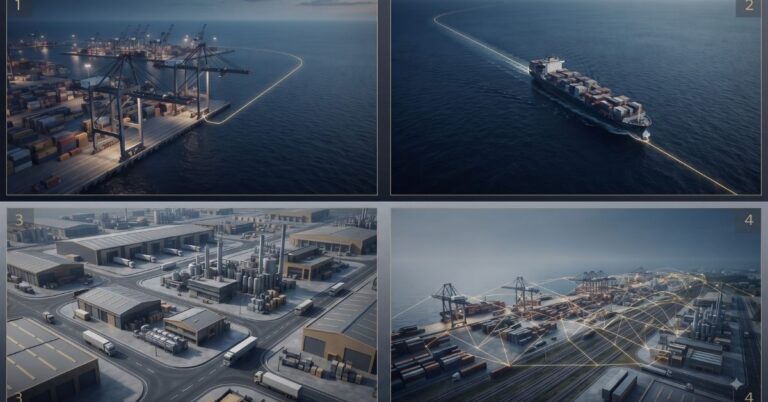
A truck can provide flexible first- and last-mile movement. Rail can support long-haul freight on suitable corridors. Ports connect domestic production to international markets. Inland waterways can provide additional options on suitable routes. Terminals and logistics parks can consolidate, transfer and store cargo. Digital systems can connect information across these movements.
The value of multimodal freight therefore does not come simply from adding another transport mode. It comes from making transfers predictable enough that the total network becomes more competitive.
PM GatiShakti is designed around integrated planning for multimodal infrastructure connectivity, while the National Logistics Policy focuses on logistics efficiency and data-driven logistics systems.
But, what if India's logistics advantage is not simply about moving freight faster, but about making the network more interchangeable, visible and strategically configurable?
India's Logistics Model Is Changing
India's freight system has historically relied heavily on road transport because road offers flexibility, direct access and extensive reach. The emerging opportunity is to allocate different parts of a journey to the mode that best fits the requirement.
Mode
Strength
Strategic role
Road
Flexibility and dense network
Collection, distribution and first/last mile
Rail
Long-haul capacity on suitable corridors
Bulk and containerized freight
Sea
Scale and global connectivity
International and coastal trade
Waterways
Potentially efficient on suitable routes
Selected bulk/corridor freight
Air
Speed
Time-critical/high-value cargo
Terminals / parks
Transfer and consolidation
Connect modes, storage and value-added logistics
Digital
Visibility and coordination
Synchronize physical network and decisions
Why Multimodal Transportation Is Different
A shipment that moves by truck, rail and truck again is multimodal in a basic sense. But an integrated multimodal network requires compatible schedules, reliable terminals, predictable transfer times, standardized processes, cargo visibility, documentation, pricing and clear end-to-end ownership.
Traditional Transportation
Multimodal Transportation
Multiple modes - Point -to-Point
Integrated multimodal - End-to-End
Mode-by-mode decisions
End-to-end network decision
Separate handoffs
Planned transfers
Local optimization
Total journey optimization
Limited visibility
End-to-end visibility
Mode KPIs
Network service/cost KPIs
Reactive transfers
Orchestrated transfers
In Multimodal Transportation, It's the Network, Not the Mode, Is the Unit of Advantage
In Multimodal transportation scenario, a business does not buy 'rail', 'road' or 'air' transportation services in isolation. It buys a total logistics outcome: the right product, in the right condition, at the right location, at the required time and at a total package cost.
A manufacturer shipping from an inland plant to an overseas customer is choosing an end-to-end architecture involving plant location, first-mile access, terminal distance, rail service, port performance, container availability, documentation, transshipment and final delivery. A lower freight rate can be inferior if it creates unreliable transfers or longer cycle times.
Six Building Blocks of Multimodal Transportation
Key Blocks
Details
1. Corridors
Dedicated freight corridors create freight-specific rail capacity and can connect inland production regions to terminals and ports. Government information reported 2,741 route kilometres—96.4% of the then-total 2,843 km DFC network—operational as of March 2025.
2. Terminals
Transfers are where multimodal systems can either create value or lose it. Terminal design must align handling, schedules, equipment, storage, documentation and information.
3. Logistics Parks
The Government's 2025 logistics overview identified 35 key locations approved for multimodal logistics parks through public and private efforts, with five expected to be operational by 2027 at that time. citeturn0search26 The business question is whether a specific node has the connectivity and cargo economics required to become useful network infrastructure.
4. Ports
Ports are gateways between domestic production and international markets. The Ministry of Ports, Shipping and Waterways' Sagar Aankalan Logistics Port Performance Index provides a framework for assessing port operational performance.
5. Digital Coordination
Physical integration requires information integration. PM GatiShakti's platform approach supports integrated infrastructure planning, while the National Logistics Policy includes data-driven logistics objectives.
6. Service Design
Customers experience the end-to-end journey, not the individual mode. A fast rail leg can still produce poor service if the terminal transfer is unpredictable.
India's Infrastructure Stack
Layer
Role
Strategic question
PM GatiShakti
Integrated planning
Are infrastructure decisions coordinated?
National Logistics Policy
Policy/process/data framework
Are logistics processes becoming more coordinated?
Dedicated Freight Corridors
Freight rail backbone
Can long-haul freight move reliably?
Road
Feeder and first/last mile
Can cargo reach nodes efficiently?
Ports
Global gateways
How efficiently can cargo enter/leave India?
Waterways
Alternative corridor
Where can water add viable capacity?
Logistics parks
Consolidation and transfer
Can modes and storage connect effectively?
Digital systems
Visibility and orchestration
Can decisions become faster and more informed?
Strategic Infrastructure and Policies
Dedicated Freight Corridors: More Than Railway Infrastructure
DFCCIL describes the DFC program as a major freight infrastructure initiative with more than 3,000 km of purpose-built heavy-haul corridors and links between inland regions and ports. Its 2026 information also identifies the East-West DFC between Dankuni and Surat as announced in the Union Budget 2026.
PM GatiShakti + National Logistics Policy
PM GatiShakti represents a shift toward integrated infrastructure planning rather than isolated project planning. citeturn0search5 The National Logistics Policy complements this physical-planning agenda with logistics-efficiency and data-driven objectives.
Ports, Waterways and Logistics Parks
A multimodal strategy needs transfer points and alternatives. Ports are gateways; logistics parks can consolidate and distribute; waterways can add options where geography and cargo economics support them; road remains essential for network reach.
India's Business Case
Dimension
Potential effect
Metric
Freight cost
Mode mix can alter line-haul economics
Total delivered logistics cost
Transit time
Dedicated corridors / optimized transfers may improve cycles
End-to-end lead time
Reliability
Alternative modes can create options
OTIF
Working capital
Predictable cycles can affect inventory
Inventory days / cash conversion
Capacity
Rail/water may add capacity in suitable corridors
Available freight capacity
Resilience
Alternative modes/routes create options
Time to switch / recovery
Market reach
Connectivity can expand service radius
Markets within service promise
Sustainability
Mode choice can affect energy/emissions
Emissions per shipment where measured
Note: These are potential effects, not universal outcomes. Cargo type, distance, terminal performance, service frequency and customer requirements determine actual economics.
India's Manufacturing Geography
Logistics infrastructure can influence plant, warehouse and distribution decisions, but it does not automatically create industrial clusters. Labour, power, suppliers, land, regulation, demand and financing remain important.
Here the strategic question is:
**Where does multimodal connectivity change the economics of our network?**
Logistics transformation is an operating-model opportunity. When freight architecture changes, inventory policies, manufacturing footprints, supplier strategies, customer promises and capital allocation can change with it.
Conclusion
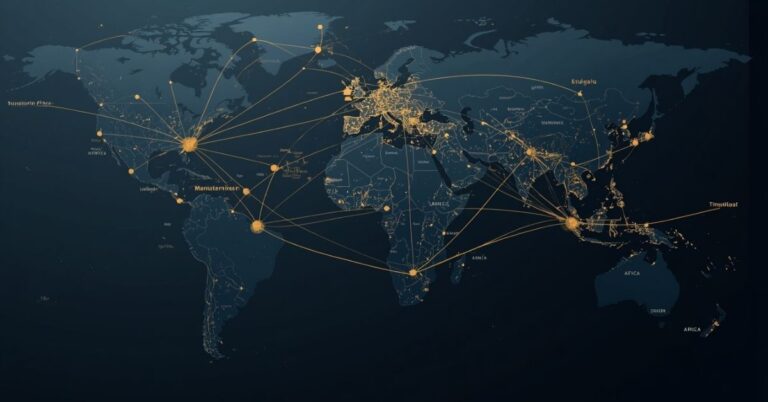
India's logistics transformation is entering a more connected phase. The opportunity is no longer only to build more roads, rail, ports or warehouses. It is to make the network work as a system.
Multimodal freight can become an important source of advantage when road, rail, ports, waterways, terminals, logistics parks and digital systems are coordinated around the end-to-end movement of value.
The strategic question for Indian businesses may therefore be less about which transport mode is cheapest and more about which network architecture provides the best combination of cost, speed, reliability, capacity, resilience and market access.
**Infrastructure creates possibilities. Integration turns those possibilities into operating advantage.**
Indo Shinka Advisory
Strategic Business Transformation & Turnaround Experts